
14 Oct Residential Window Tinting in Deerfield Beach: A Homeowner’s Planning Guide
Large windows can be one of the most enjoyable features of a Deerfield Beach home. They connect indoor spaces with the outdoors and help define a room’s character. When you begin exploring residential window tinting, the best starting point is not a particular shade. It is understanding how each room works and what you would like to improve.
First Class Window Tinting offers residential services alongside automotive, commercial, and marine tinting. A home project deserves its own assessment because the glass, setting, and expectations differ from those of a vehicle. This guide explains how to prepare for a useful consultation and compare the available choices with confidence.
Describe the rooms you want to improve
Start with a short walkthrough of your home. Identify the rooms where you notice uncomfortable brightness, distracting reflections, or a need for a different level of privacy. Record when those conditions occur. A living room used in the afternoon may present different priorities from a bedroom or a home office.
Be specific about the experience rather than jumping directly to a product. Explain whether you are trying to keep a view, change the appearance of the glass, or make a particular workspace more comfortable. These details give an installer a clearer starting point than a request to tint every window equally.
Treat the house as several different spaces
Your windows may face different directions and serve rooms with different uses. A single selection may suit the project, but that should be a considered decision. Ask whether the same product makes sense throughout the house or whether certain spaces need a separate discussion.
Include rooms that are not immediately obvious. A stairwell, entryway, or guest room may have its own access or appearance considerations. Planning the whole project at the beginning helps you decide which areas belong in the initial installation and which can wait for a later phase.
Make glass compatibility part of the assessment
Residential film selection involves the existing glass as well as the desired appearance. XPEL publishes film-to-glass guidance for its architectural products, illustrating why a product should be evaluated for the particular application. Ask the installer to review compatibility before settling on a film.
Share any information you have about the windows, including manufacturer paperwork or previous improvements. Mention existing film, coatings, damage, or a concern you have already noticed. You do not need to diagnose the glass yourself; you need to provide enough background for an informed professional review.
Discuss privacy in practical terms
Privacy means different things to different households. You may want to soften a street-facing view, separate a work area, or discuss how a room appears from outside. Explain the situation and ask how the proposed product will look under the lighting conditions relevant to that room.
Do not choose a film based only on a sample photographed in another building. Ask to review samples in your own setting when possible. If you also use blinds or curtains, include them in the conversation so the installation complements the way you already use the space.
Compare the appearance from both sides
A window film affects a highly visible part of your home, so appearance deserves careful attention. Look at sample options from inside and outside. Consider the frames, exterior finishes, neighboring windows, and the character of the room rather than reviewing the glass in isolation.
Ask how the installer suggests evaluating samples at different times of day. If other household members have strong preferences, involve them before making the final selection. Resolving questions about appearance early is easier than revisiting the decision after the installation is scheduled.
Build a complete project estimate
A helpful quote should identify the product, the windows included, and any preparation or film removal in the scope. Ask how measurements will be confirmed and whether access conditions affect the work. Tall windows and furniture placement should be discussed before the appointment.
If you are considering a phased project, request a clear description of the first phase. Compare proposals using the same window list and product information. That makes the decision easier to evaluate and reduces the chance that an apparently lower price simply covers less work.
Prepare your home for installation
Ask the installer what needs to be moved away from the windows and how much access is required. Plan for pets, children, and everyday household activities so the work area can remain accessible. Confirm arrival arrangements and any building access requirements in advance.
You should also ask how the work will be organized through the home. Knowing which rooms will be used first helps you plan your day. If there are fragile items, recently finished surfaces, or other details that deserve special attention, point them out during the initial walkthrough.
Keep expectations grounded in the selected product
Manufacturers offer different window film products for different purposes. Ask for the exact product name and the documentation relevant to the proposed installation. A broad claim about window film in general is not a substitute for understanding the film selected for your home.
Discuss your priorities with the installer and ask what the product can reasonably address. Avoid treating an estimate as a guarantee of a particular utility bill or room temperature. The useful outcome is a clearly defined project with product information you can review and keep.
Review aftercare and project records
Before the installer leaves, ask how to care for the treated glass and when cleaning is appropriate. Follow the instructions provided for the installed film. Keep product details, the receipt, and any applicable written coverage together so they are available if a question comes up later.
A final walkthrough is a good time to confirm the completed window list and raise any concerns. Ask whom to contact for follow-up and how to describe an issue. Clear communication after installation is just as valuable as the planning conversation that came before it.
Plan residential tinting with First Class
For residential window tinting in Deerfield Beach, contact First Class Window Tinting at (954) 297-9723. Tell us which rooms you are considering, what you want to improve, and whether you have information about the existing windows. Our website contact form is another convenient way to begin.
Visit our homepage to explore the services and FAQs, then request a consultation for your home. First Class Window Tinting is located at 830 S Deerfield Ave, Unit #5, Deerfield Beach, FL 33441. A thoughtful room-by-room plan can make the selection process clearer and the installation easier to organize.
Request a window tinting quote or visit our frequently asked questions.
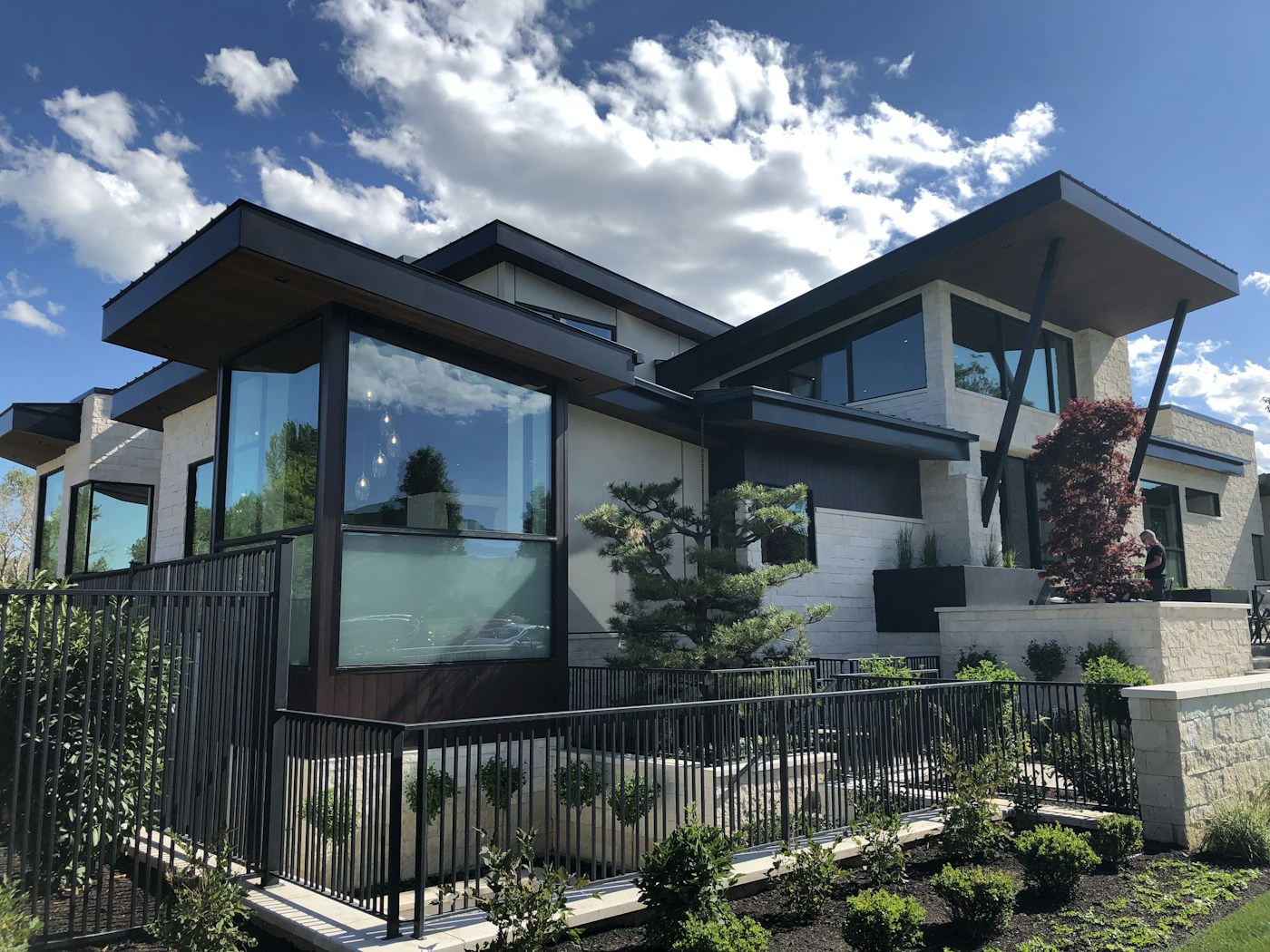
Product reference: XPEL manufacturer information. Featured image: illustrative stock photograph by Naomi Ellsworth on Unsplash; not a customer installation.
Sorry, the comment form is closed at this time.